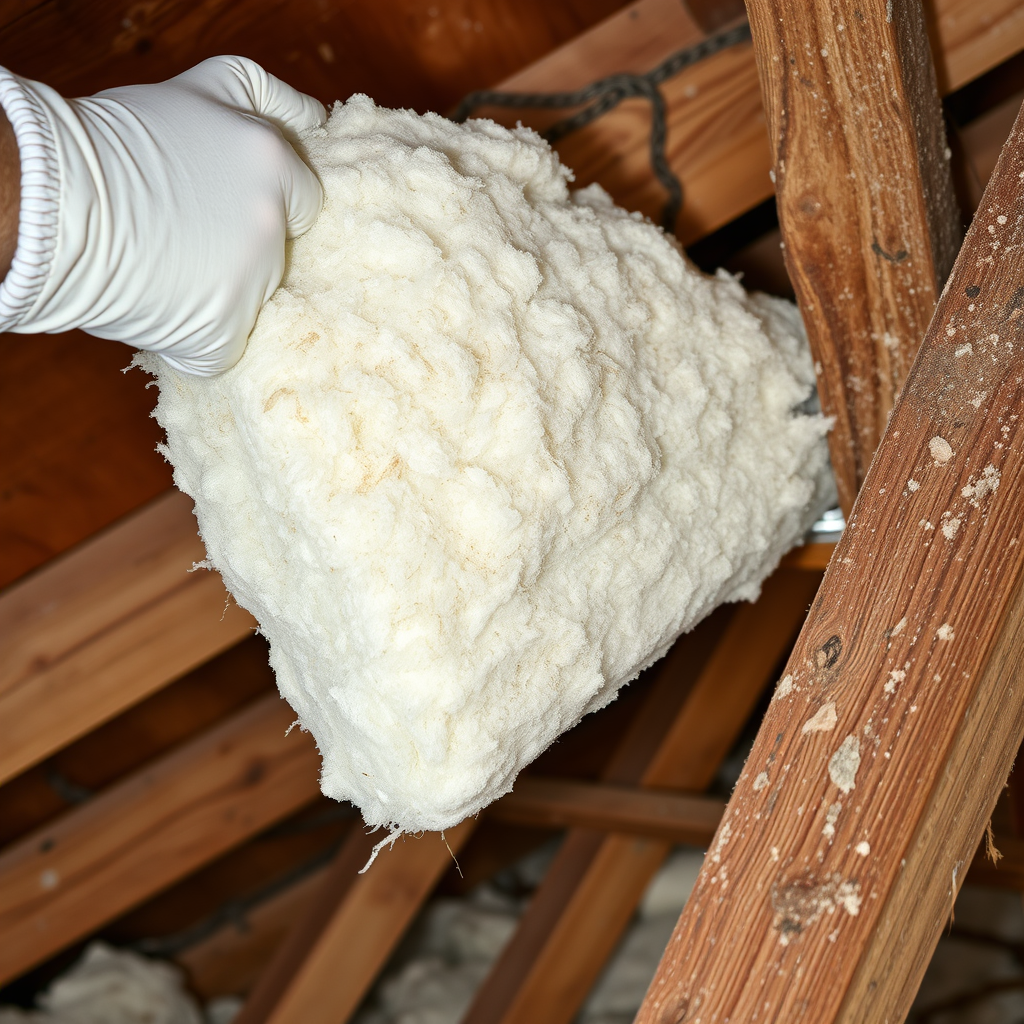
Old attic insulation is easy to ignore. It sits out of sight, doing its job quietly for years — until it stops. Settled, dusty, contaminated, or simply worn out, old insulation can quietly cost you money and comfort, and at some point the right move is to remove it completely rather than pile more on top. Here is how professional removal actually works and how to know when it is time.
When Removal Beats Topping Up
Adding new insulation over old material works only when the existing insulation is dry, clean, and intact. There are several situations where a full removal is the better call:
- Contamination — rodent droppings, mold, water damage, or smoke odor in the material
- Settling and compression — old loose-fill that has packed down and lost much of its R-value
- Air sealing — the attic floor needs to be exposed so penetrations can be sealed before re-insulating
- Roofing or remodels — the deck and joists need to be clear and inspectable
- Pests and moisture — issues hidden under the insulation that have to be addressed
If any of these apply, topping up just traps the problem. Removing the old material gives you a clean, even base for whatever comes next.
Step One: Assessment
Every removal starts with figuring out what is up there. The type of insulation — fiberglass batts, blown-in fiberglass, cellulose, or older vermiculite — changes the method, the equipment, and the safety precautions. A crew also checks the depth, the access, the condition of the material, and whether there is any contamination. This is also when older vermiculite gets flagged: because it may contain asbestos, it should be tested before anyone disturbs it.
Step Two: Containment and Setup
Pulling insulation kicks up a lot of dust and respirable fibers, so containment comes before removal. Crews seal off the attic access, protect the path through the home, and set up dust control. Everyone working wears a respirator and proper PPE. The goal is simple: keep the mess in the attic and out of your living space.
Step Three: Removal
How the material comes out depends on what it is:
- Batts are pulled by hand, rolled, and bagged. Crews work carefully around wiring, junction boxes, can lights, and venting.
- Blown-in and loose-fill insulation is removed with a commercial insulation vacuum — a powerful unit with long hoses that runs from a truck into the attic. The material is sucked straight out and collected in sealed bags outside, so it never gets carried through the house.
Vacuum removal is dramatically faster and cleaner than hand removal for loose-fill, and it reaches into joist bays, corners, and edges that hand removal misses.
Step Four: Cleanup and Haul-Off
A removal is not finished until the space is clean. Crews bag everything, haul it off, and dispose of it properly. Then the attic gets vacuumed down so there is no residual dust hiding the deck and joists. What you are left with is a clean, bare, inspectable attic — ready for fresh insulation, an air-sealing crew, a roofer, or an inspection.
How Long Does It Take?
Most residential attics can be cleared in anywhere from a few hours to a full day, depending on the size, the depth of the insulation, the type of material, and how easy the attic is to access. Loose-fill comes out fast with a vacuum; heavily contaminated jobs take longer because of the extra care and disposal involved.
Why Not DIY?
It is tempting to rent a vacuum and do it yourself, but attic removal is hot, cramped, dusty work, and the fibers and contaminants involved are exactly what you do not want loose in your home. Professionals bring the containment, the commercial equipment, and the experience to do it cleanly and safely — and to spot issues like contamination or vermiculite before they become a problem.
What It Costs to Leave It
Putting off a needed removal rarely saves money. Settled and degraded insulation keeps your energy bills higher every month it stays in place, and contamination only gets worse — rodent activity spreads, moisture-damaged material grows more mold, and odors deepen. Waiting also tends to complicate other projects: a roofer, an electrician, or a remodeler eventually needs the attic cleared anyway, often on a tighter timeline and at less convenient cost. Removing tired insulation on your own schedule, before it forces the issue, is almost always the cheaper path in the long run.
Get a Free Estimate
If your attic insulation is old, settled, contaminated, or in the way of another project, removing it is often the smartest first step. We are a national insulation-removal specialist — tell us the insulation type, where it is, and why it needs to go, and we will give you a clear, free, no-obligation estimate for the removal, cleanup, and haul-off. Call 844-967-5247 or email josh@contractorschoiceagency.com. We work nationwide.